Drive with Artie
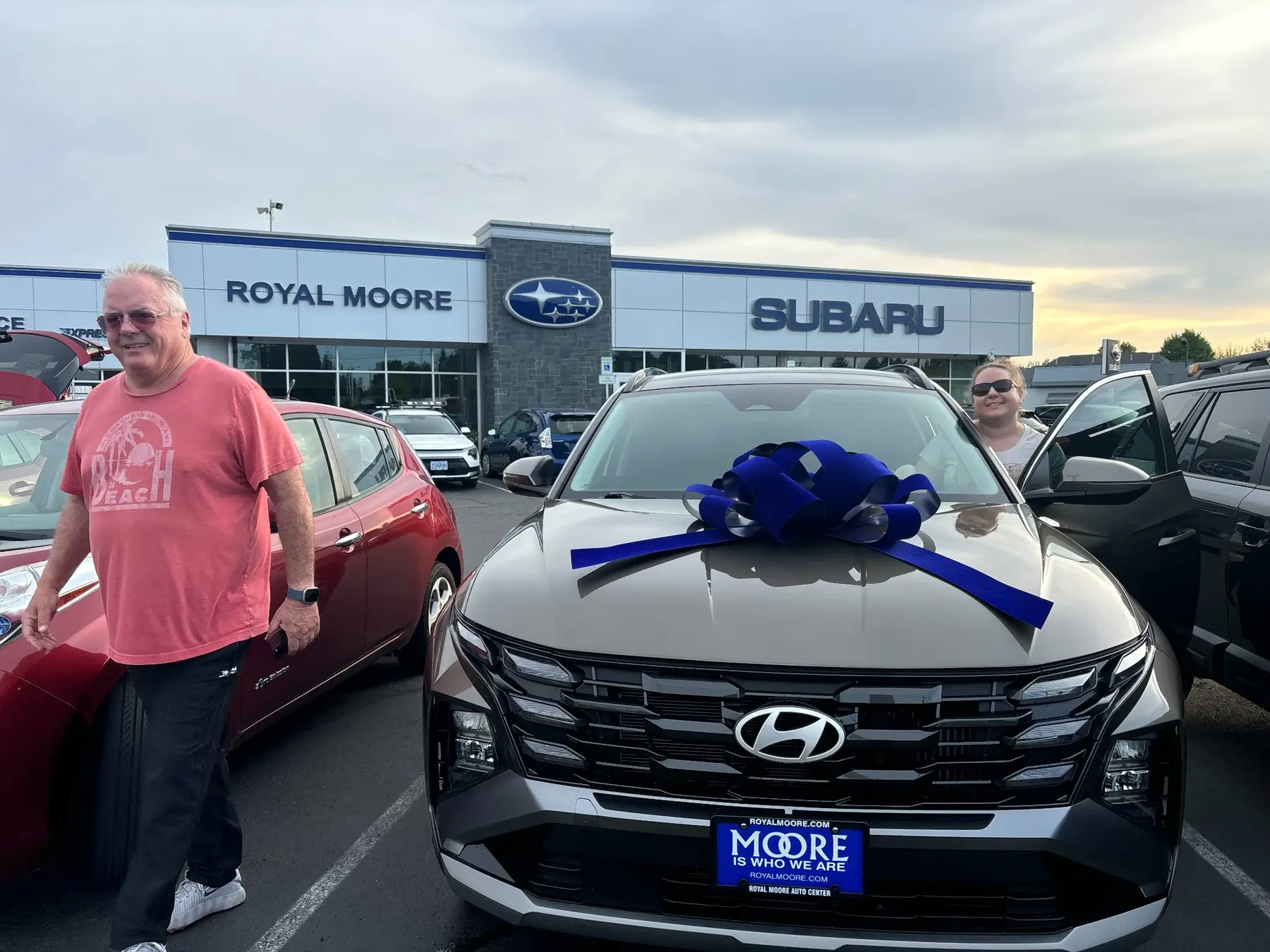
Customers beside a Hyundai with a blue delivery bow at Royal Moore

Buyer clarity

Know what you’re looking at before you sign.

Check the vehicle, separate every number, and understand the written terms. Then decide without the pressure of trying to process everything at once.

From questions to keysA clear decision should still feel good when the keys are in your hand.

  1. 01vehicleVIN identity, listing details, window sticker, history, and condition.
  2. 02numbersPrice, taxes, fees, products, trade position, cash down, and amount financed.
  3. 03termsAPR, term, lender disclosures, coverage, exclusions, and cancellation rules.

Research with real sources

Start with facts that can be checked.

Use the VIN to confirm basic vehicle identity, then compare it with the listing, window sticker, history report, and written deal. Each source answers a different question.

Live on this page
Royal Moore inventory and NHTSA manufacturer-submitted VIN data, with source and freshness shown.
Verify from the documents
Exact equipment, warranty status, vehicle history, recall completion, price, fees, rates, and optional-product terms.

Official vehicle data

Decode a VIN before you compare.

Pull manufacturer-submitted identity and configuration data from the U.S. Department of Transportation’s NHTSA vPIC service.

Found at the base of the windshield and on registration documents.0/17

Find a car

Browse live inventory

Browse all inventory

A brand-diverse sample of live Royal Moore inventory. Use a stock number—or the VIN if no stock number is shown—to fill the listed price in deal math.

When a price is shown, it comes from Royal Moore’s inventory feed and can change between updates. Confirm current price and availability with the selling store.

Loading live inventory…

Mileage isn’t included in this feed, so it isn’t guessed. When a car sells or moves, it drops off this list.

Your written quote

See where the payment comes from.

Loading the quote checker…

Make the guide useful

Build the question before you message me.

Give me the vehicles, decision, and priorities. The next page carries this context into your message, so you do not have to explain everything twice.

What matters most? (choose any that matter)

Do not include a Social Security number, driver’s-license image, bank information, or full account numbers.

Start with your life

Choose the fit before the trim.

A better vehicle is not automatically a better vehicle for you. Start with the job it needs to do, then compare models and features.

Daily use

Commute, school runs, parking, passengers, cargo, pets, and the roads you actually drive.
Ownership horizon

How long you expect to keep it, how many miles you drive, and whether flexibility matters more than long-term value.

Real budget

Vehicle price is one line. Insurance, energy, maintenance, tires, registration, and financing also affect the fit.

Non-negotiables

Towing, ground clearance, driver-assistance features, fuel economy, charging access, comfort, and accessibility.

Gas, hybrid, plug-in, or EV

Compare the routine, not just the rating.

EPA estimates and advertised range are starting points. Your commute, weather, charging access, speed, cargo, and driving style shape the real experience.

Gas

Often fits
Familiar refueling, broad selection, and drivers who do not want to plan around charging.
Check before deciding
Fuel economy in your real driving, maintenance schedule, and whether a turbo or larger engine changes cost or capability.

Hybrid

Often fits
Drivers who want lower fuel use without plugging in, especially with frequent city or stop-and-go driving.
Check before deciding
Price difference, highway versus city benefit, cargo packaging, and model-specific warranty coverage.

Plug-in hybrid

Often fits
Short daily trips on electricity with a gas engine available for longer drives.
Check before deciding
Where you will charge, electric range in your climate, and whether you will actually plug it in consistently.

Electric

Often fits
Drivers with dependable charging who value quiet operation, instant response, and fewer routine powertrain service items.
Check before deciding
Home charging, road-trip routes, winter range, insurance, tires, incentives, and battery/charging warranty terms.
New or pre-owned? Compare warranty status, condition, history, equipment, financing, depreciation, and total ownership cost—not age or payment alone.

Subaru questions worth asking

Get specific about the year and trim.

Names such as EyeSight, X-MODE, Wilderness, STARLINK, hybrid, and EV describe families of features—not one identical setup on every Subaru. Verify the exact vehicle instead of relying on a badge or a general model description.

  • Which driver-assistance features are included, and what are their limits?
  • What do the AWD and traction modes change on this exact trim?
  • What are the towing, tongue-weight, roof-load, and accessory limits?
  • Which comfort, camera, audio, and infotainment features are standard?
  • What connected services require a trial or future subscription?
  • What coverage and maintenance schedule apply to this VIN?

Coverage and products

Optional products should earn their place.

A product is not automatically good or bad. The useful question is whether its written coverage, cost, exclusions, and terms fit your risk and ownership plan.

Included coverage

Factory and certified coverage

Start by identifying what already comes with the vehicle. New-vehicle warranties, certified programs, and remaining used-vehicle coverage are different things.

  • What is covered, and for how long?
  • When did coverage begin?
  • Is there a deductible or transfer rule?

Optional product

Vehicle service contract

This is not the same as the factory warranty. Its value depends on the covered components, exclusions, term, mileage limit, deductible, provider, and cancellation terms.

  • What is specifically excluded?
  • Where can repairs be performed?
  • What happens if I sell or refinance?

Optional product

GAP

Depending on the contract, GAP may help with some or all of the difference between an insurer’s settlement and the covered loan balance after a total loss.

  • What losses and balances qualify?
  • Are there loan-to-value or payment limits?
  • How does cancellation or refinancing work?

Optional products

Maintenance, tire, wheel, and appearance plans

Convenience can be valuable, but only if the included services match how and where you will use the vehicle.

  • Which services or damage are included?
  • What limits, exclusions, or claim steps apply?
  • Can the plan be transferred or cancelled?

Coverage, pricing, eligibility, cancellation, and claims are controlled by the actual contract and provider. Financing and coverage decisions are made by the dealership, lender, insurer, or product provider—not by Artie personally.

Read the full deal

A payment is the result—not the explanation.

Ask for an itemized view. A lower payment can come from a lower price, more cash down, a longer term, a different rate, a different trade number, or a different product package.

Ask Artie to walk through a quote
Vehicle
Selling price, installed accessories, discounts, and rebates—with eligibility shown separately.
Government
Registration, title, and applicable taxes based on where the vehicle will be registered.
Dealer
Dealer fees and dealer-installed items listed clearly instead of being buried inside a payment.
Trade
Trade allowance and any remaining payoff shown as separate numbers. Tax treatment varies by location.
Financing
Amount financed, APR, term, payment schedule, and total of payments—not just the monthly payment.
Optional products
Each product named and priced separately so you can decide whether it earns its place.
Pause and clarify: If a payment changes, ask which line changed. If a rebate, fee, trade number, or product is described as required, ask to see its name, price, eligibility, and written terms separately.

Cash, finance, or lease

Compare the structure, not only the payment.

Cash

You avoid loan interest, but the itemized vehicle price, fees, products, and registration still matter. Consider what using that cash changes outside the purchase.

Finance

Compare amount financed, APR, term, finance charge, payment schedule, and any prepayment terms. A longer term can lower the payment while increasing total cost.

Lease

Review mileage allowance, due-at-signing amount, acquisition and disposition fees, wear standards, end options, and the written buyout terms. Availability varies.

Credit approval, rates, programs, incentives, and lease terms are set by the lender, manufacturer, and dealership and can change. Compare the written offer that applies to you.

A clearer process

Six steps from comparison to ownership.

  1. 01

    Narrow the field

    Send Artie the vehicles you are considering and the three things that matter most.

  2. 02

    Verify the listing

    Confirm availability, key equipment, mileage, and the source of the advertised price before making the drive.

  3. 03

    Drive with a purpose

    Use the test drive to check visibility, comfort, controls, road noise, parking, cargo, and the features you will use every day.

  4. 04

    Review the full picture

    Ask for an itemized quote and compare the vehicle, trade, financing, and optional products as separate decisions.

  5. 05

    Know what is time-sensitive

    Inventory and published offers can change. Ask what has a real deadline, what does not, and why.

  6. 06

    Keep a person after delivery

    VIP gives Artie’s customers a place to ask about MySubaru, vehicle settings, and where to take service or warranty questions.

Use the 10-minute test-drive checklist
  1. 01Set the seat, mirrors, steering wheel, and visibility before moving.
  2. 02Try rear-seat access, cargo space, child-seat or pet needs, and the liftgate.
  3. 03Use the controls you touch every day: climate, cameras, phone, audio, and driver-assistance settings.
  4. 04Drive at neighborhood and highway speeds when the route allows; listen for ride quality, noise, and visibility changes.
  5. 05Park it. Check turning radius, camera views, blind spots, and how easy it is to judge the corners.
  6. 06Before leaving, ask which demonstrated features depend on a trim, package, phone, trial, or subscription.

Clarity in practice

The paperwork matters because the moment after it does, too.

Good guidance connects the research, the comparison, and the delivery. These are three parts of the same decision.
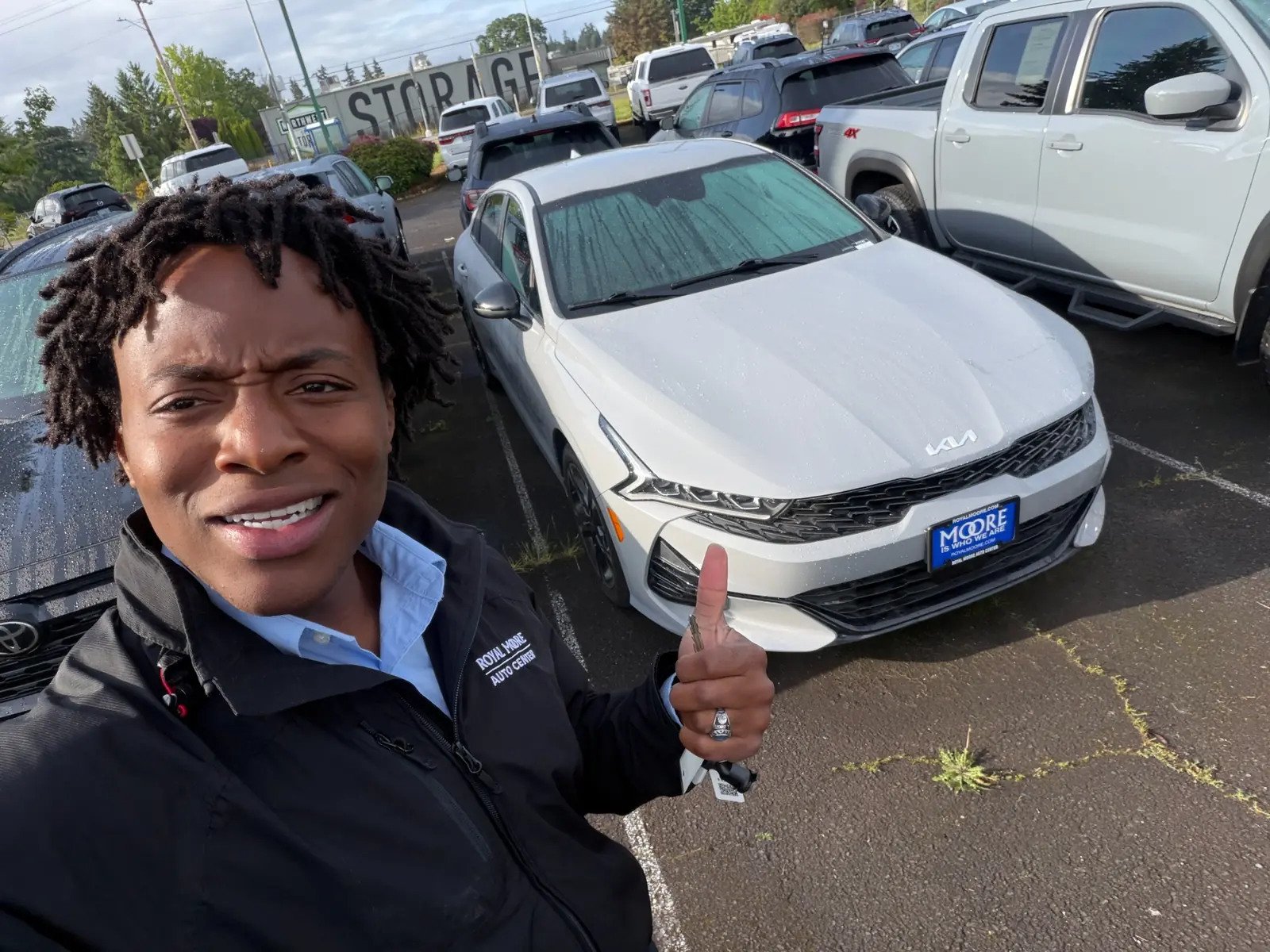
Artie beside a silver Kia on the dealership lot
See the exact vehicleStart with the car in front of you—not a generic payment or a stock photo.
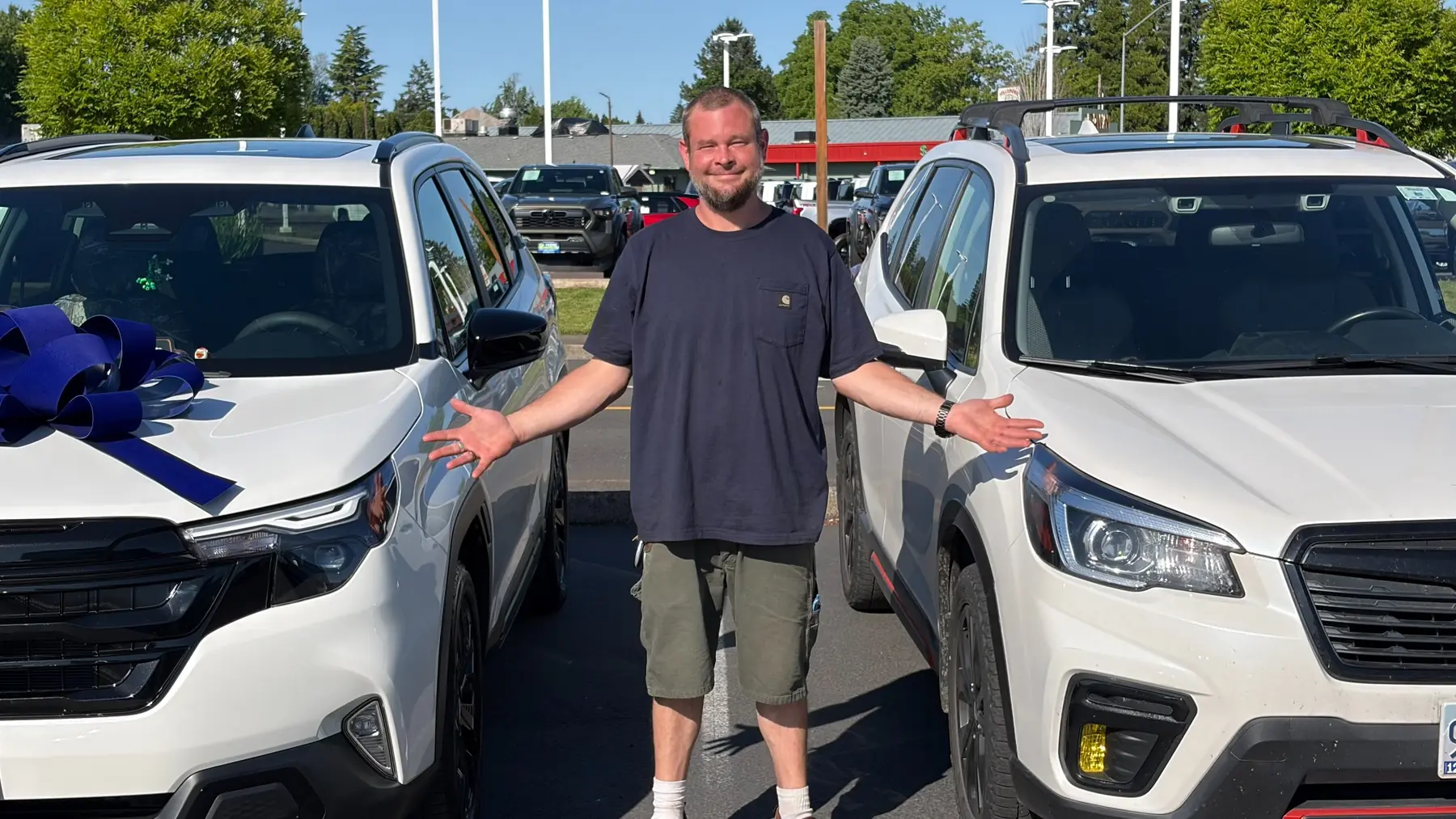
Customer comparing two white SUVs on the dealership lot
Compare the real tradeoffsPut space, features, condition, and everyday fit side by side.
Customer celebrating beside a white Subaru with a blue delivery bow
Feel good about the decisionThe goal is confidence at delivery—not pressure at the desk.

Use the guide

Bring the questions. Keep the decision yours.

Browse what is available, send Artie the vehicles or quote you are comparing, and start with the part that feels unclear.